Audio interview. Dr. Schalomon: “If you don’t quite know what the student needs, go to the student and ask.”





Audio interview. Dr. Schalomon: “If you don’t quite know what the student needs, go to the student and ask.”

Be aware of unconscious bias in interviews, plan for it, and be prepared to disarm it if necessary. For example: if you find eye contact challenging, acknowledge it and then communicate that you are glad to be there and are engaged in the discussion.
Interview. Availability for college students is important as well. Do therapists have office hours that coincide with their class schedule? What is their availability in between appointments if a need arises?
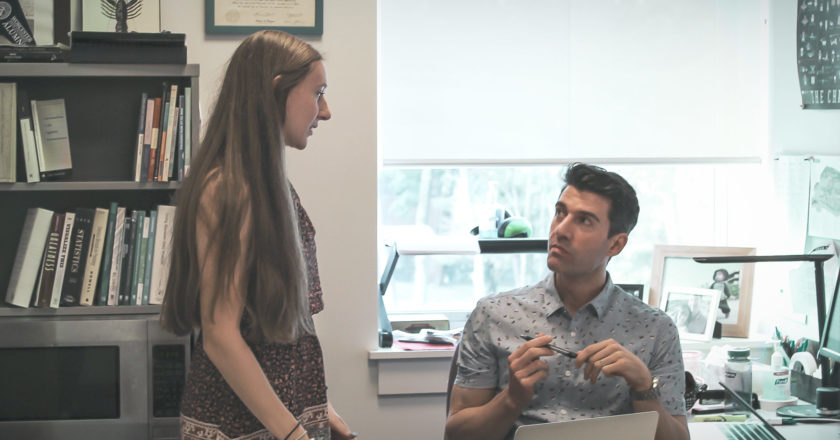
You know how Dumbledore in Harry Potter says, “Help is given at Hogwarts to those who ask for it?” I think that should be my new motto when writing about college, because help is given at college to those who ask for it.
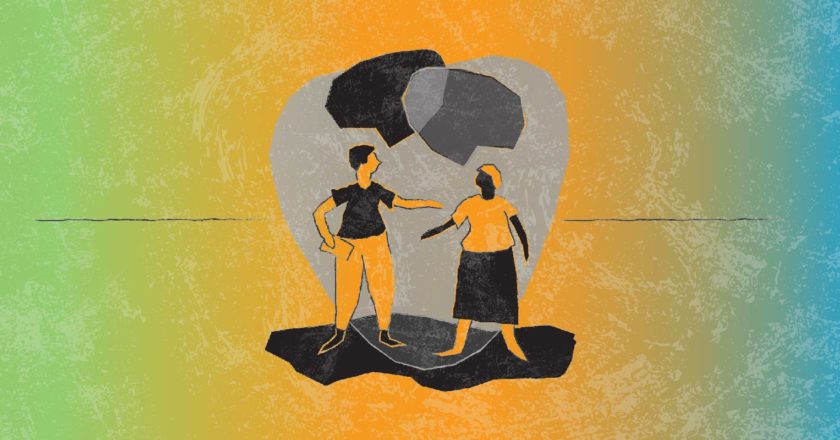
When we talk about folding autistic and differently-abled students into community colleges and STEM careers, what we’re really talking about is best practices for everyone. It follows that when our most disadvantaged students’ needs are met, we are leveling the playing field for all, with or without a “documented need.” Thank you for believing in students like me.

In high school, many 504 plans are written to include use of assistive technologies in the public school setting. However, once at a higher education level, these supports still can be extremely helpful for a variety of reasons.
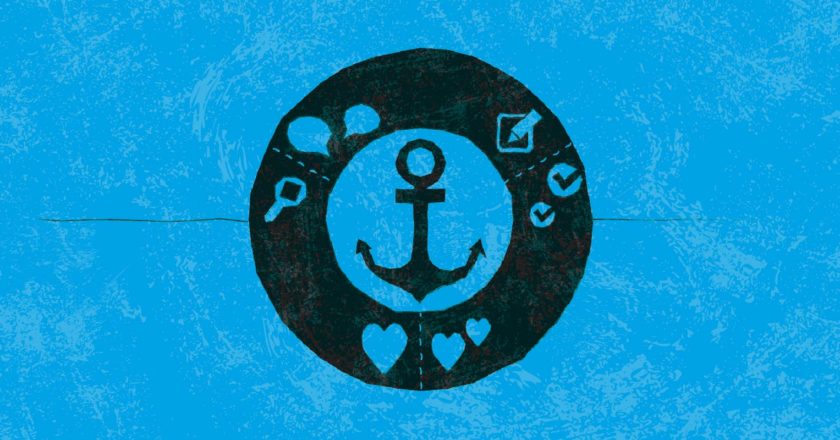
UDL is a framework for designing based on three broad principles tied to how our brain functions in terms of networks.

Video interview. Having your syllabus state that you support students with disabilities is just one way to create inclusivity and demonstrate your support for all students.
Video interview. Having your syllabus state that you support students with disabilities is one simple action discussed that helps create an inclusive academic environment.

Young people on the spectrum often feel increased judgement and pressure to fit in with their [neurotypical] peers…We need more awareness of the mental health issues many young people on the spectrum may face.